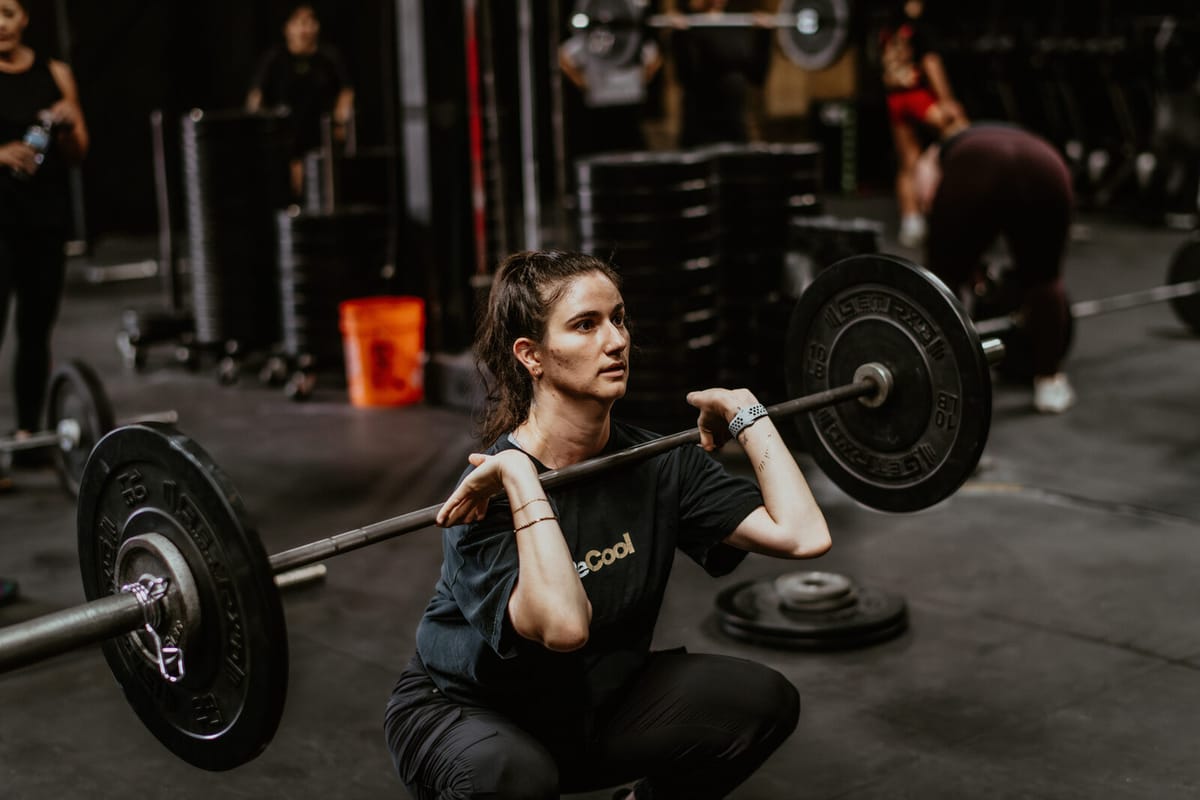
Starting Olympic weightlifting in Las Vegas is simpler than most people think: find a qualified coach, learn the positions before you chase load, and train two to three focused sessions per week. You do not need to be strong, flexible, or experienced before you begin — those are things weightlifting builds, not prerequisites for it. This guide covers what the sport actually involves, who it is for, what it costs in time and effort, and how to take the first step here in the Las Vegas Valley.
What is Olympic weightlifting, exactly?
Olympic weightlifting is a sport built around two barbell lifts: the snatch (bar from floor to overhead in one motion) and the clean & jerk (bar to the shoulders, then overhead in a second motion). That is the whole competitive sport — two lifts, contested by bodyweight class at every level from local meets to the Olympic Games under USA Weightlifting (USAW).
It is different from powerlifting, which contests the squat, bench press, and deadlift. The Olympic lifts are faster and more technical — closer to a skill like a golf swing than a simple test of strength. That technicality is exactly why coaching matters so much at the start, and why self-taught lifters often spend years undoing habits they built in their first months.
Do I need to be strong or athletic before I start?
No — and waiting until you feel ready is the most common mistake new lifters make. Every position in the snatch and clean & jerk can be learned with an empty barbell or even a length of PVC pipe. A good coach starts you with a movement screen, teaches positions before speed and speed before load, and scales everything to the mobility and strength you have today.
At Built Thru It Performance, beginners follow that exact progression: setup and pulling positions first, then the turnover, then gradually loaded full lifts. Athletes who come from CrossFit, general strength training, or no lifting background at all start from the same place — where their movement actually is.
How do I find an Olympic weightlifting coach in Las Vegas?
Look for three things: a USAW coaching certification, real platform experience, and a plan for how you will be coached between sessions. Las Vegas has a genuine weightlifting scene — dedicated barbell clubs, CrossFit gyms with lifting programs, and independent coaches — so the filter is quality, not availability.
- Certification: USAW Level 1 is the baseline; Level 2 means the coach has invested seriously in the craft.
- Platform experience: a coach who competes understands meet-day realities — timing, attempt selection, nerves — in a way theory cannot teach.
- Between-session support: video review of your training lifts is where technique actually gets fixed. Ask any prospective coach how they handle it.
Alexa May, founder of Built Thru It Performance, holds USAW Level 1 & 2 certifications, has competed since 2013 including a top-3 finish at USA Weightlifting Senior Nationals, and coaches lifters across Las Vegas and Henderson — in person on the gym floor or fully online with video review.
How many days a week should a beginner train?
Two to three sessions per week is the right starting volume for almost every new lifter. Each session runs 60 to 90 minutes: technique work on the competition lifts while you are fresh, then strength work (squats, pulls, presses), then accessories for positions and mobility. More is not better at the start — the lifts are a skill, and skills degrade when you practice them exhausted.
Expect roughly this timeline: weeks 1–4, positions and empty-bar technique; months 2–3, loaded full lifts and your first real strength cycle; months 4–6, enough consistency to consider a local meet if that excites you. Progress at the beginning is fast — beginners often add weight to the bar weekly.
What equipment do I need to start weightlifting?
Less than you think. For your first months you need flat, stable shoes (weightlifting shoes are a worthwhile upgrade later, not a day-one requirement), clothes you can squat in, and access to a barbell with bumper plates. A gym with lifting platforms is ideal — dropping a barbell overhead is part of the sport, and commercial globo gyms often do not allow it. If you train with a coach, they will point you to the right floor; online athletes just need a bar, bumpers, and space to film.
Is Olympic weightlifting safe?
Coached Olympic weightlifting has injury rates comparable to or lower than most recreational sports — lower than field sports like soccer or basketball in published research. The barbell is only dangerous when load outruns technique, which is precisely what a coached progression prevents. Weightlifting also builds bone density, joint stability, and power that carry into every other sport and into everyday life — which is why it anchors so many women’s strength programs and athletic development plans.
What does getting started actually look like?
The first step is a conversation, not a max-out. A good intake covers your training history, your goals — general strength, a future meet, or just learning something new — your schedule, and where you will train. From there your coach builds the plan around your life, not the other way around.
Built Thru It Performance coaches Olympic weightlifting across the Las Vegas Valley — Summerlin, Spring Valley, North Las Vegas, Paradise — and Henderson, plus fully online coaching with video review for lifters anywhere. Nutrition support through 1:1 nutrition coaching is available alongside training, because recovery and fueling decide how fast technique work turns into kilos on the bar.
Ready to learn the lifts? Book a free 30-minute consult and we will map out exactly where to start.